[ARCHIVE] LTQ Blog: ITERS-R

Category

14
Mar

Learning Through Creative Movement

Michelle Mallonee Long Confucius said, “What I hear I forget. What I see I remember. What I do I know.” Research has proven that the more senses involved in learning, the greater the impression and the longer the retention. We retain: 10% of what we read 20% of what we hear 39% of what we...
Read More
06
Dec

Powerful Interactions

Kitty Syster As teachers you have “everyday interactions” with children every day. These occur naturally with or without thought or intention. Everyday interactions can be good, bad or neutral. As you continue reading you will find ways to turn some of those everyday interactions into powerful interactions. A “Powerful Interaction” is a very intentional and...
Read More
29
Nov

Lullabies, Literacy, and Language: Using Music with Infants and Toddlers

  Bobbi Philson Music is a powerful tool that early childhood teachers can use to support and nurture many developmental domains: social-emotional, physical, cognitive, and language/literacy. Additionally, vital brain connections are being formed during these early years from 0-3. Being intentional about integrating music into your classroom routines will help you to identify developmental milestones...
Read More
15
Nov

ERS: The Beginning–An interview with Thelma Harms

How did the Environment Rating Scales evolve? The family of Environment Rating Scales (ECERS, ITERS, FCCERS, & SACERS) initially grew out of my many years of experience teaching in different types of Early Childhood Education programs including as a Family Child Care provider, Parent CO-OP Preschool Teacher, Head Start teacher, Head Teacher of the four...
Read More
08
Nov

It’s a Small World After All: Multicultural Education in the Early Childhood Classroom

Leah Zabari In today’s diverse communities, it is becoming more important for teachers to integrate diversity into the early childhood classroom. Awareness of the world around us begins as young children start to recognize colors, language, and similarities and differences between them and their peers. Through this, they start to form their own self-image and...
Read More
01
Nov

Slime

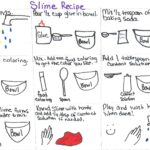
By Stefanie Camoni Slime is increasing in popularity as the do-it-yourself trend. Kiddos love getting messy and feeling the texture between their fingers. Here is a child-safe recipe to use as a small group or individual activity. Using the picture chart posted below can help children learn skills associated with counting, measuring, becoming familiar with...
Read More
18
Oct

My Favorite Recipe – Ants on a Log

Regina Wright Ingredients: A popsicle stick for each child 2 two-inch celery stalks per child 2 tablespoons of peanut butter per child (substitutions for food allergies can include hummus and cheese spreads) A small child size handful of raisins
Read More
11
Oct

Pets in Child Care

Angel L. Avery-Wright Pets in child care can be a very rewarding and educational endeavor. Shy, younger children often respond to class pets Children can learn how to care for a pet and how to handle them. Pets needs vary depending on what kind of pet, so children can learn the different ways to care...
Read More
04
Oct

Positive Behavior Intervention and Support & The Pyramid Model

By Stefanie Camoni What if there was a way to lower the number of challenging behaviors in your classroom? Would you believe it? The Center on the Social and Emotional Foundations for Early Learning (CSEFEL) and the Technical Assistance Center on Social Emotional Intervention (TACSEI) have created the pyramid model a conceptual framework of evidence...
Read More
27
Sep

Keep Calm and Play On: The Toddler Way

Natalie Grebe If you have ever been in a toddler classroom, you can picture the scene. A room full of many toys and a lot of little people meandering around with those toys. It’s as if they’re in their own little world. A world full of pretending, imagining and play. The stuff in their eyes...
Read More
1 6 7 8 9 10 11