 Created in 2007 by the Pennsylvania Office of Child Development and Early Learning (OCDEL), The Pennsylvania Key implements the work and supports the policies developed and managed by OCDEL. Learn More. >
Created in 2007 by the Pennsylvania Office of Child Development and Early Learning (OCDEL), The Pennsylvania Key implements the work and supports the policies developed and managed by OCDEL. Learn More. >
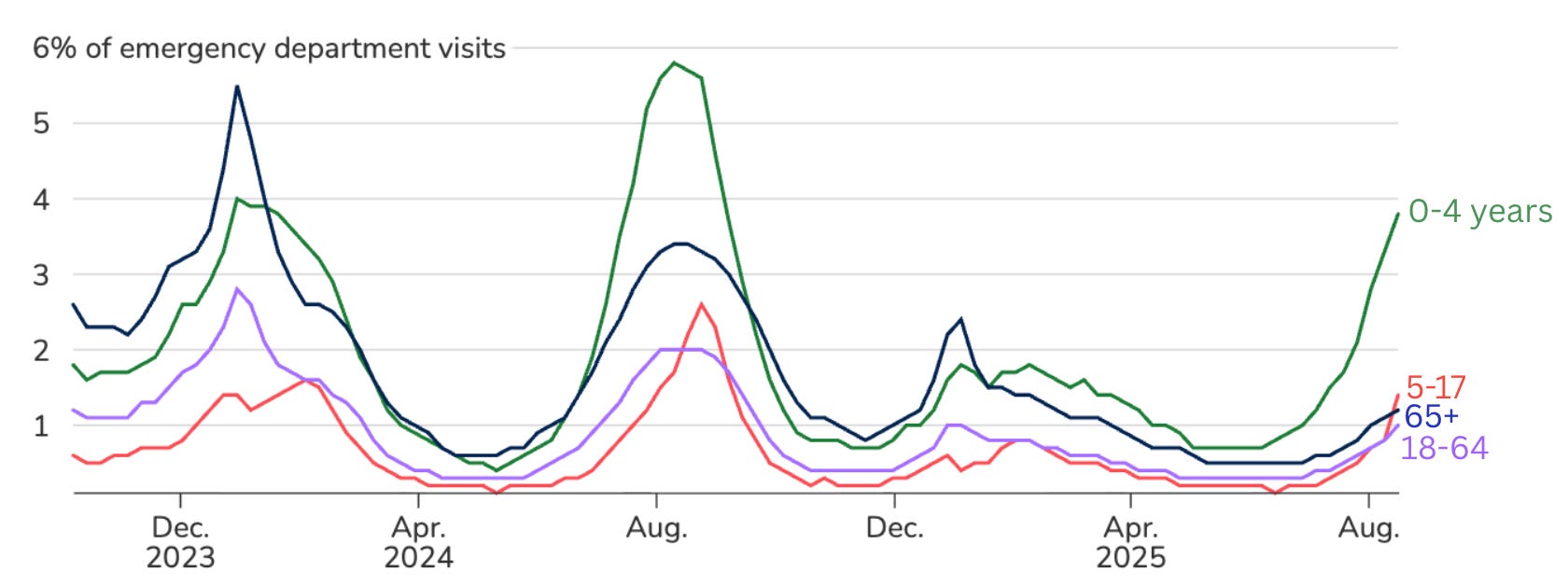
Created in 2007 by the Pennsylvania Office of Child Development and Early Learning (OCDEL), The Pennsylvania Key implements the work and supports the policies developed and managed by OCDEL. Learn More. >Currently, COVID-19 continues to climb and is on track to surpass the peak of last winter’s wave. As the respiratory virus season approaches, flu, COVID, and RSV are expected to circulate at the same time and play significant roles in the months ahead. Healthcare providers, parents and caregivers require clear, accurate, and trustworthy information to support informed decisions.
Emergency room visits for Covid-19. Source: CDC
Annotated on 8.25.25 by Your Local Epidemiologist | Katelyn Jetelina | Substack
Updated! “Vaccinated or Unvaccinated: What You Should Know”
The Vaccine Education Center Vaccine Education Center | Children’s Hospital of Philadelphia recently released volume 2 (Summer 2025) of the Special Topics sheet, “Vaccinated or Unvaccinated: What You Should Know.” This sheet was updated to include more details about what families with unvaccinated individuals should be doing to protect them, particularly those families opting out of vaccinations. The sheet is also available in Spanish.
Respiratory illnesses in children are common and include influenza (flu), pneumonia, bronchiolitis, and croup, leading to significant complications and hospitalizations. Respiratory Illnesses | Respiratory Illnesses | CDC
Influenza (flu): Seasonal flu can lead to severe respiratory illness in children. Flu Resource Center | Flu Resource Center | CDC
Children with chronic health conditions at greater risk for complications from flu
Some children are at especially high risk for developing severe disease or complications from the flu, such as children with lung, heart, or kidney disease, an immune system condition, cancer, diabetes, some blood diseases or conditions of the muscular or central nervous system. The Flu: What Parents Need to Know – HealthyChildren.org
Pneumonia: the most common cause of hospitalization in children, often caused by a virus, such as the respiratory syncytial virus (RSV)
RSV (Respiratory Syncytial Virus): can be dangerous for infants
Infants younger than 6 months of age with RSV can become very sick and may need to be hospitalized. RSV can also cause bronchiolitis (inflammation of the small airways in the lungs) and pneumonia (infection of the lungs).
Mycoplasma pneumoniae
Respiratory infections caused by the bacteria Mycoplasma pneumoniae remain elevated as indicated by emergency department visits and positive tests. M. pneumoniae infections can sometimes be severe, causing what’s known as “walking pneumonia.” About Mycoplasma pneumoniae Infection | M. pneumoniae | CDC.
Pertussis (Whooping Cough)
Whooping cough is very contagious and can spread easily from person to person. Babies younger than 1 year are at highest risk of severe disease and complications. The best way to prevent complications from whooping cough is to get vaccinated. Learn more: About Whooping Cough | Whooping Cough | CDC.
Bronchiolitis: a viral infection that affects the small airways in the lungs, causing wheezing and respiratory distress, primarily seen in infants and young children
Croup: characterized by a barking cough, croup is usually caused by a virus and affects children under 5 years old
CDC tracks other disease-causing bacteria and viruses here: Other Respiratory Illnesses Going Around | Respiratory Illnesses | CDC
Recommendations from the CDC about Preparing for Respiratory Virus Season: Talking with Patients About Respiratory Virus Season | Respiratory Illnesses | CDC
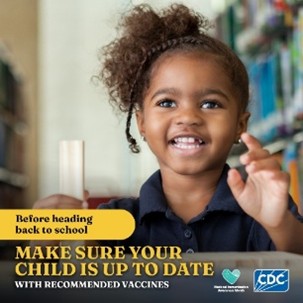 (Visual aids by CDC. Accessed 8.26.25)
Preventing Spread of Respiratory Viruses When You’re Sick: Preventing Spread of Respiratory Viruses When You’re Sick | Respiratory Illnesses | CDC
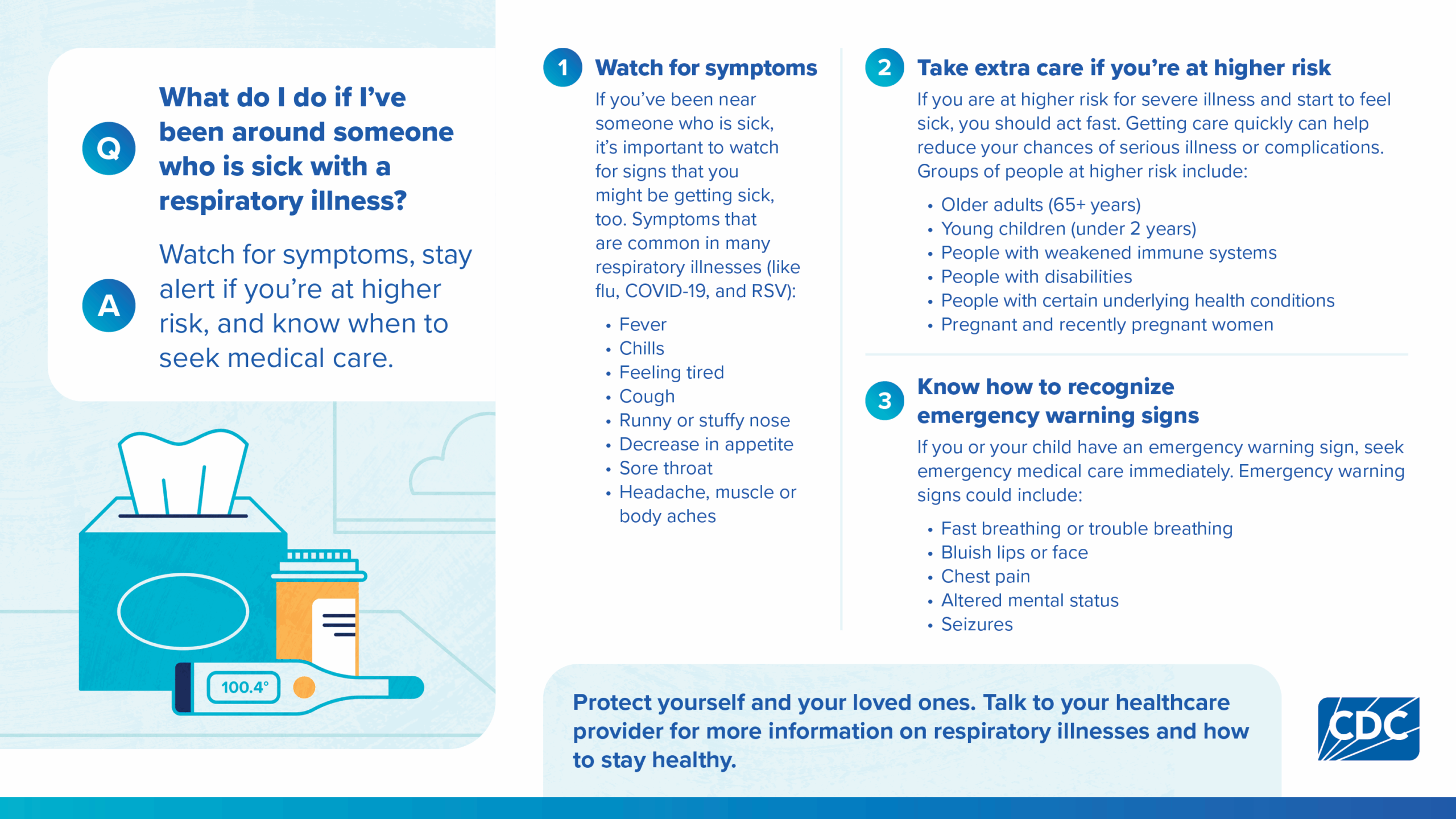
(Infographic from CDC can be enlarged. Accessed 8.26.25)
May 8, 2025, Morbidity and Mortality Weekly Report (MMWR):
Research finding: In the first RSV season with widespread availability of RSV prevention products (maternal vaccine and nirsevimab), RSV-associated hospitalization rates among infants were lower than in pre-pandemic seasons. A report released in the May 8, 2025, MMWR* demonstrated that in 2024–25, RSV hospitalization rates were 45-52% lower in infants younger than 3 months old and 28-43% lower in infants younger than 8 months old compared to 2018-2020 seasons before product introduction.
Disclaimer: This is the most updated information at release time. The information in Health Trends is not a Pennsylvania regulatory requirement for early childhood providers. Pennsylvania early childhood providers with regulatory requirements should contact their Cert rep or the Bureau of Certification.