 Created in 2007 by the Pennsylvania Office of Child Development and Early Learning (OCDEL), The Pennsylvania Key implements the work and supports the policies developed and managed by OCDEL. Learn More. >
Created in 2007 by the Pennsylvania Office of Child Development and Early Learning (OCDEL), The Pennsylvania Key implements the work and supports the policies developed and managed by OCDEL. Learn More. >
Created in 2007 by the Pennsylvania Office of Child Development and Early Learning (OCDEL), The Pennsylvania Key implements the work and supports the policies developed and managed by OCDEL. Learn More. >There is no safe level of lead exposure. The EPA, U.S. Centers for Disease Control and Prevention, American Academy of Pediatrics, World Health Organization, all agree on this.
Lead exposure can cause permanent damage to the developing brains of fetuses and children, as well as:
Lead-based paint hazards are found in homes built before 1978.
Children ingest lead dust by putting objects such as toys and dirt in their mouths. Children can be poisoned when they swallow or breathe in lead dust. Windowsills and wells can also contain high levels of lead dust, so they should also be kept free of dust.
Some toys and jewelry imported from other countries can contain lead. Some imported ceramics and glazed dishes made in the U.S. prior to the 1990s also contain lead.

Lead is sometimes in candies imported from other countries or traditional home remedies.
Ground cinnamon alert: Alerts, Advisories & Safety Information | FDA
In March 2024, the U.S. Food & Drug Administration issued an alert about ground cinnamon sold by a number of brands at six different retail chains. Samples of these products were tested by the FDA and were found to contain elevated levels of lead.
Should I worry about lead in my child’s cinnamon applesauce pouch? – HealthyChildren.org
Never Miss a Recall; sign up at the Consumer Product Safety Commission’s website: CPSC.gov
Public water infrastructure
Water can absorb lead from pipes, fixtures, and solder found in the plumbing. Under the Federal Lead and Copper Rule, public water is regulated to ensure that it is lead-free when it is delivered to you. Tens of millions of people nationwide drink tap water served by lead pipes.
A new map by NRDC (the Natural Resources Defense Council) shows that lead pipes occur in every U.S. state, and that many states and utilities do not know what the majority of their pipes are made of.
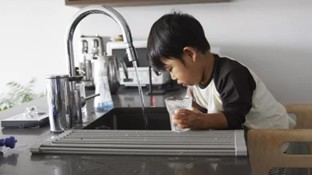
Pennsylvania ranks 5th nationally for housing built before 1950, when lead-based paint was common.
In Pennsylvania, these primary lead exposure sources remain:
New Pennsylvania Report Published
The Pennsylvania Department of Health released the 2023 Childhood Lead Surveillance Data: 2023 Childhood Lead Surveillance Annual Report (PDF)
Key highlights from the report:
PA Department of Health – Prevention and Response Strategies: Lead Poisoning | Department of Health | Commonwealth of Pennsylvania
Free Lead Testing and Reduction Grants for Schools and Child Care Facilities
The Shapiro Administration is launching a free, no-cost water sampling program for eligible schools and child care facilities across Pennsylvania to test for lead in drinking water. This initiative, through the Pennsylvania Department of Environmental Protection (DEP), is funded by the Water Infrastructure Improvements for the Nation (WIIN) Act’s Voluntary School and Child Care Lead Testing and Reduction Grant Program.
In partnership with Terraphase Engineering, the program offers no-cost water testing and, for those with elevated lead levels, grant funding to support lead-reduction activities, such as installing hydration stations. Eligible applicants could receive up to $3,000 per installed hydration station. It’s an easy, no-cost way to protect children’s health and make sure they’re drinking safe water.
Schools and child care centers that meet the criteria are encouraged to apply. Applications must be submitted online through the Commonwealth’s Electronic Application: Grant Details | Commonwealth of Pennsylvania. Enrollment is currently open and will remain so until funds are exhausted.
For more information, visit DEP’s webpage: Lead Information for Schools and Child Care Facilities
Participate in the Lead-Free Promise Project
Homepage – Lead Free Promise Project

Parent Resource Toolkit – Lead Free Promise Project
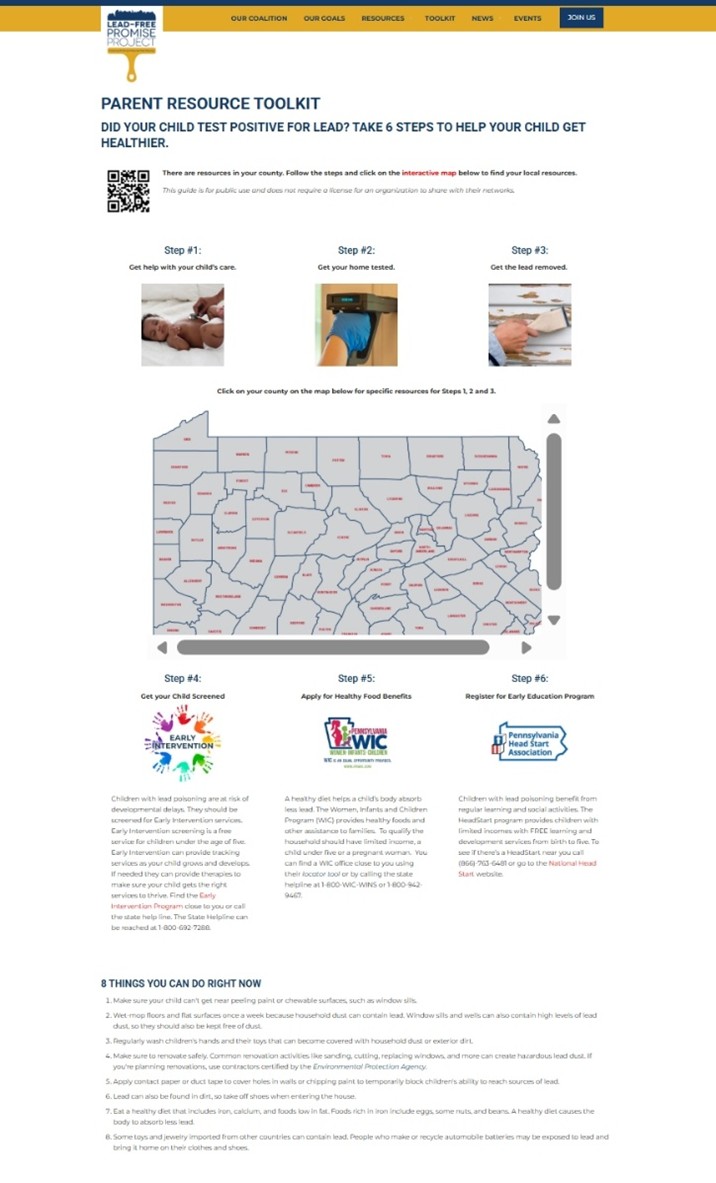
How to Protect Children from Lead Poisoning
Refer Lead Poisoned Children to Early Intervention:
Share this brochure: Help Me Grow Also available in Spanish.
This Early Intervention child find brochure is a statewide public awareness document that can be utilized by all Infant/Toddler programs. It includes information describing Early Intervention tracking services. The brochure can be used with early care and education providers, physicians, and other child referral agencies. More information: Early Intervention Technical Assistance (EITA) at eita@pattan.net.
Parent Resources
Happy, Healthy, Lead-Free Me! – Cribs for Kids
Note: The 2026 version of the Protect Your Family from Lead in Your Home pamphlet is available in English and Spanish.
Disclaimer: This is the most updated information at release time. The information in Health Trends is not a Pennsylvania regulatory requirement for early childhood providers. Pennsylvania early childhood providers with regulatory requirements should contact their Cert rep or the Bureau of Certification.