 Created in 2007 by the Pennsylvania Office of Child Development and Early Learning (OCDEL), The Pennsylvania Key implements the work and supports the policies developed and managed by OCDEL. Learn More. >
Created in 2007 by the Pennsylvania Office of Child Development and Early Learning (OCDEL), The Pennsylvania Key implements the work and supports the policies developed and managed by OCDEL. Learn More. >
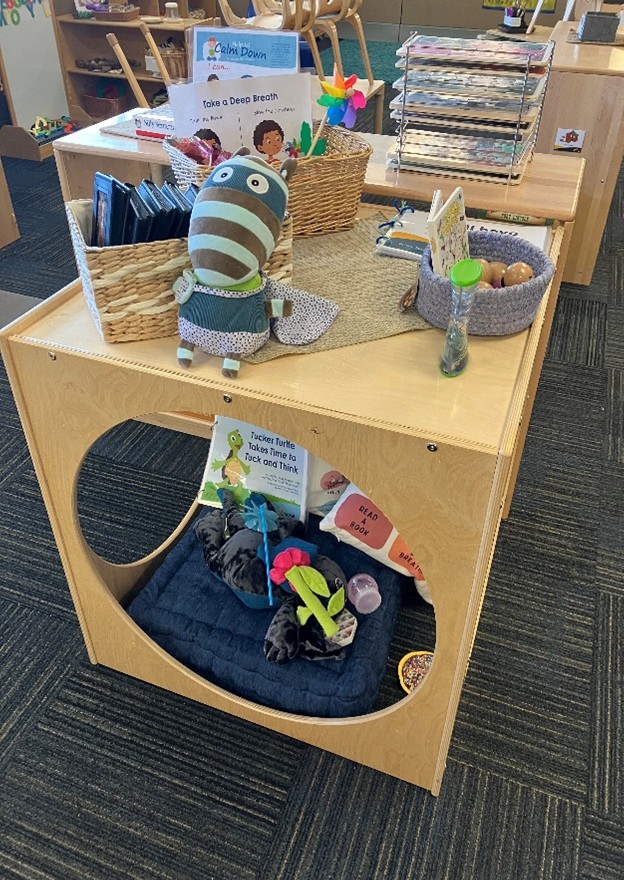
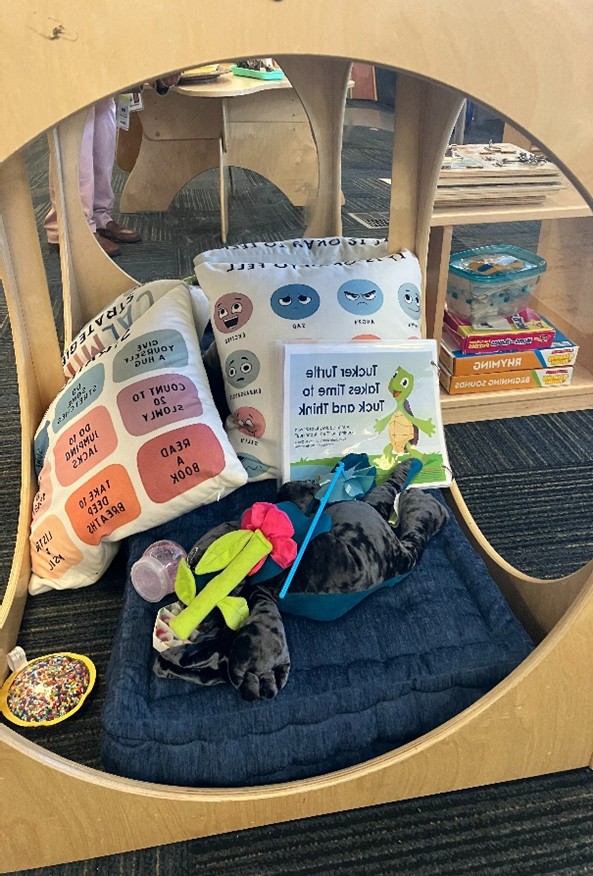
Created in 2007 by the Pennsylvania Office of Child Development and Early Learning (OCDEL), The Pennsylvania Key implements the work and supports the policies developed and managed by OCDEL. Learn More. >Tilleen Meitzler’s (K-Prep Teacher) Calm Down Cube and supporting calming materials
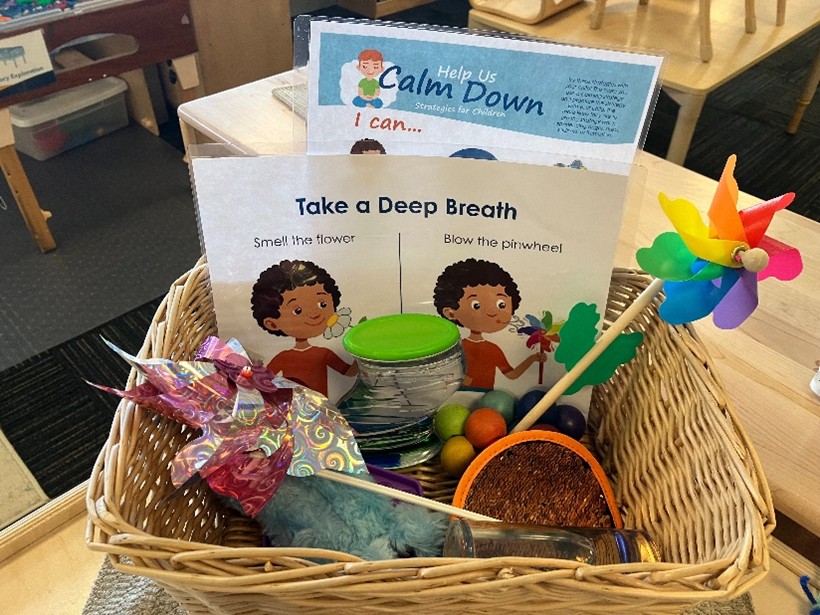
Kathleen Jenkins’s PKC “Maple” Classroom’s Calm Down Area & Materials


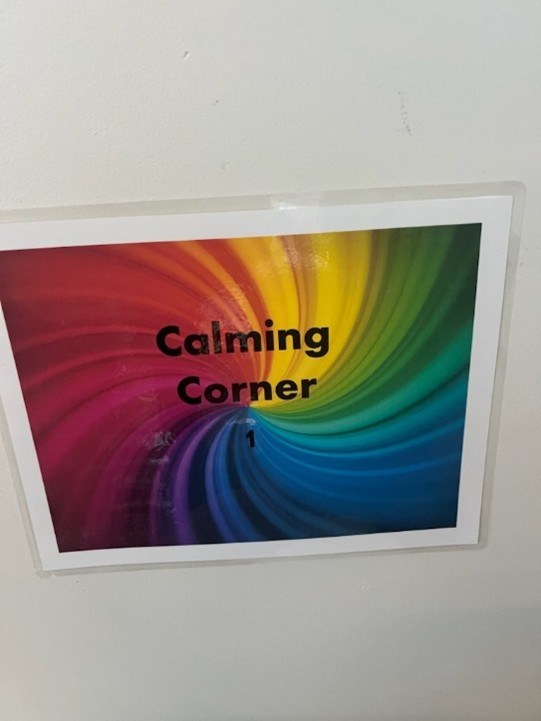

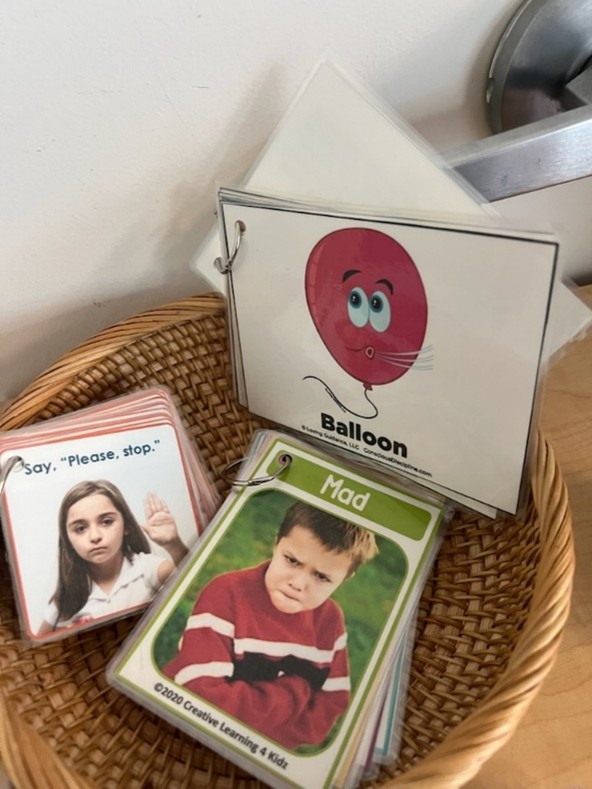
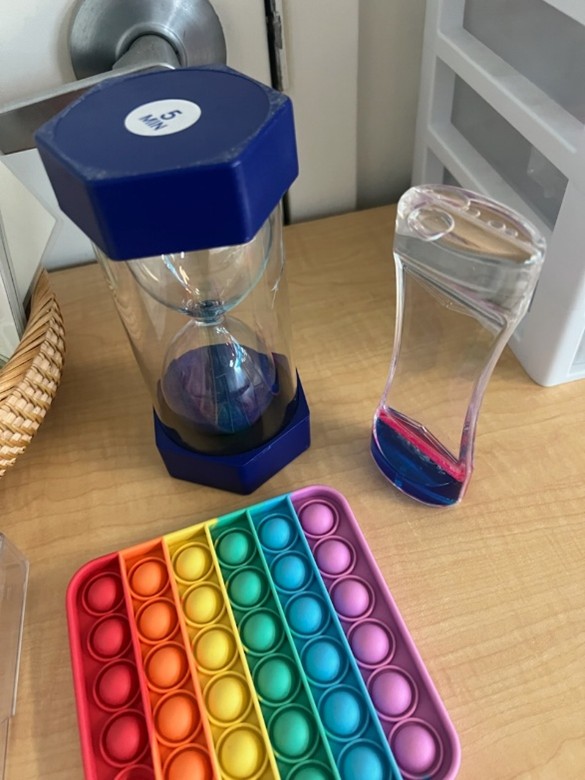
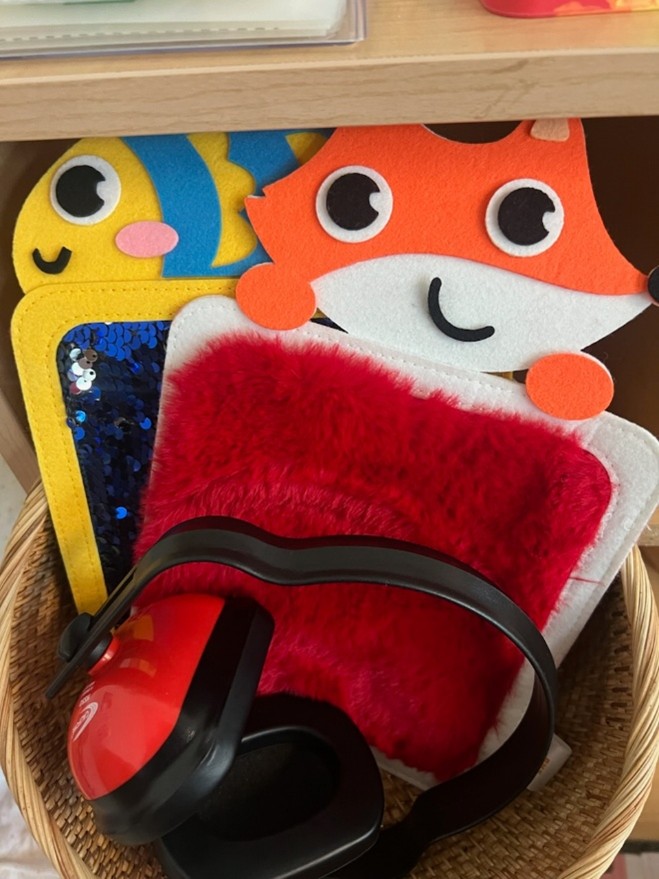
“The Quiet Area has ample materials and visuals on how to help calm their bodies and recognize their emotions so they can return to the group in a manner that is acceptable and allows them to learn at their optimal ability” says Tessa Summa, a preschool teacher at DCCC.
Items such as pop-it fidgets, sensory bottles, Squishmallows, paper with crayons, breathing boards and feelings books are just a few materials in the Calm Down Space. The visuals can be pictures of the various materials the child can use to calm down, techniques such as taking deep breaths, or counting.

