 Created in 2007 by the Pennsylvania Office of Child Development and Early Learning (OCDEL), The Pennsylvania Key implements the work and supports the policies developed and managed by OCDEL. Learn More. >
Created in 2007 by the Pennsylvania Office of Child Development and Early Learning (OCDEL), The Pennsylvania Key implements the work and supports the policies developed and managed by OCDEL. Learn More. >
Created in 2007 by the Pennsylvania Office of Child Development and Early Learning (OCDEL), The Pennsylvania Key implements the work and supports the policies developed and managed by OCDEL. Learn More. >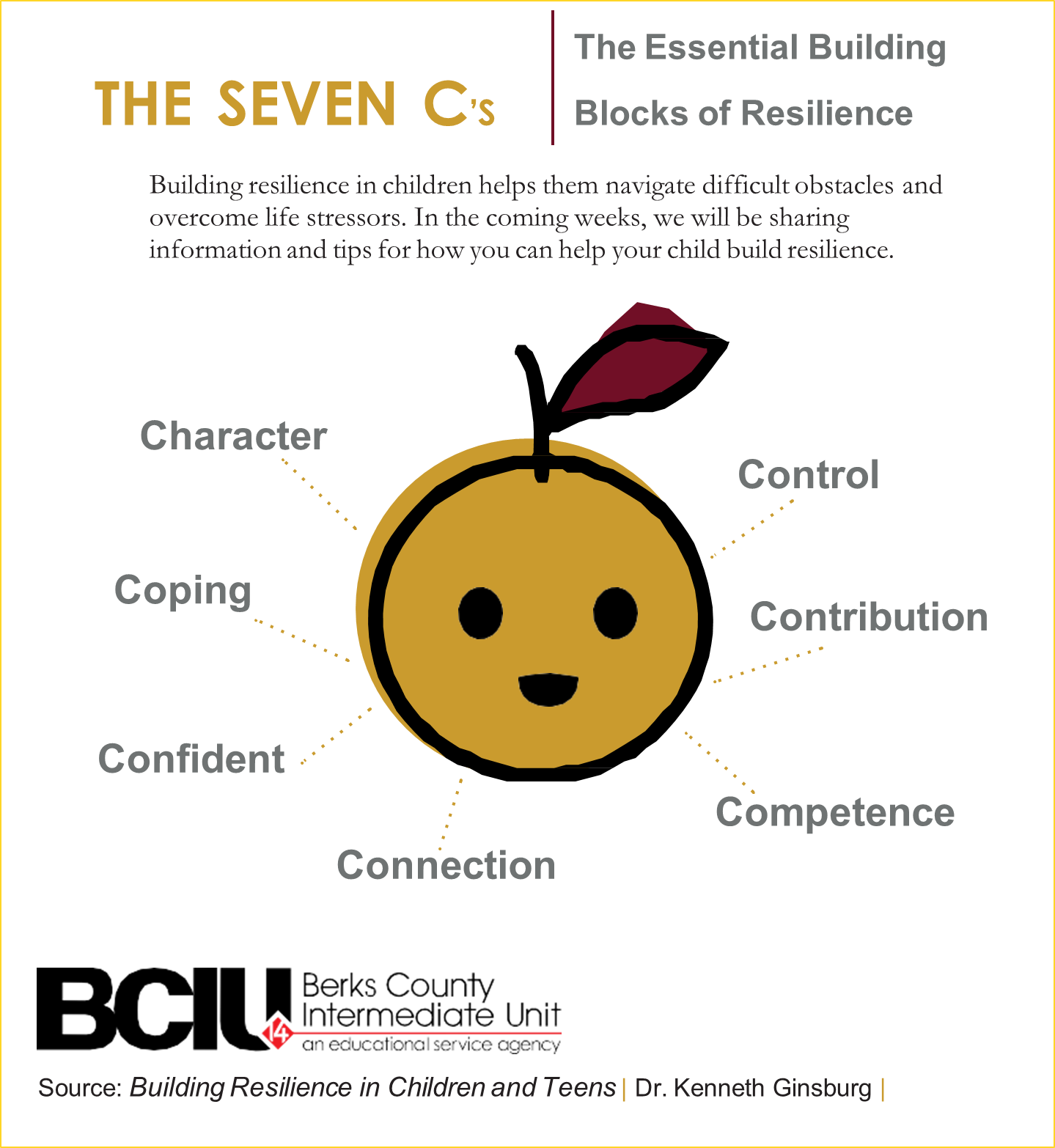 When Jeremiah falls down, he gets up right away, goes back to what he was doing and tries again. When Jasmine falls, she sits and cries, and refuses to try again. What makes the difference? Why are some children able to thrive in spite of serious traumas in their lives—such as neglect, abuse, poverty, serious illness? The ability to bounce back after a crisis (as small as a fall or as significant as neglect or the death of a loved one) or thrive in spite of persistent obstacles is called “resilience.” Resilience protects children from the most severe effects of stress and trauma and helps them cope more effectively.
Building Resilience: The Power to Cope with Adversity by William Beardslee et al., Zero to Three. www.zerotothree.org/resources/357-building-resilience
Resilience: What It Is and How Children and Young People Can be Helped to Develop It, by Kirstie Maclean. www.cyc-net.org/cyc-online/cycol-0803-resilience.html
Programs and families can contact the program leadership directly at PAIECMH@pakeys.org with questions or concerns.
This project is supported by the Office of Child Development and Early Learning.